The Hidden Costs of Delaying Home Repairs and Renovations

Most homeowners do not ignore repairs because they do not care.
They ignore them because life is busy.
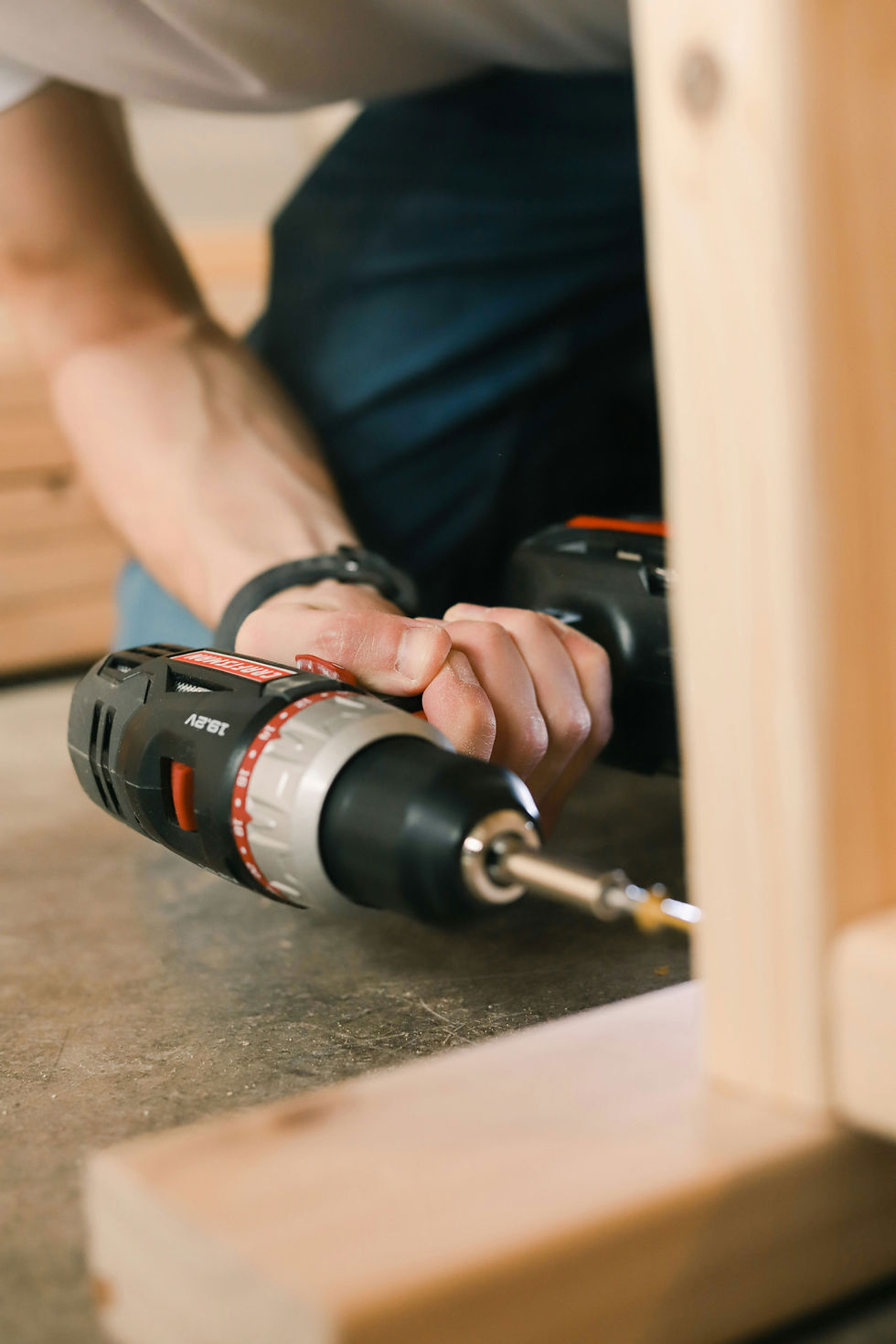
The cabinet door still closes if you lift it a certain way. The bathroom fan still works, even if it sounds like it is about to give up. The kitchen layout is annoying, but everyone has learned how to work around it. That soft spot in the flooring is not getting worse that fast. The outdated bathroom can wait another year.
At least, that is what we tell ourselves.
And honestly, it makes sense. Home repairs and renovations can feel like a lot to take on, especially when the problem is not an emergency yet. It is easy to push things off and say, we will deal with it later.
The problem is that later usually costs more.
That is the part homeowners do not always see until the issue has grown. What started as a small repair turns into a bigger project. What started as an outdated space turns into a daily frustration. What started as a little moisture problem becomes damage hiding behind the wall.
If you own a home in Ozark, Springfield, Nixa, or the surrounding Southwest Missouri area, here is what delaying repairs and renovations can actually cost you over time.
Small problems rarely stay small forever
This is probably the biggest lesson homeowners learn the hard way.
A small issue might seem harmless at first. A little cracked grout. A small leak under the sink. A loose railing. A bathroom with poor ventilation. A floor that feels uneven in one area.
At the beginning, these things are easy to ignore because the house still functions.
But homes are connected systems. Water, air, structure, flooring, cabinets, electrical, and plumbing all affect each other. One small issue can quietly cause problems in the surrounding areas.
A tiny leak can damage cabinetry.
Poor bathroom ventilation can affect paint, drywall, and framing.
Old flooring can hide subfloor issues.
A kitchen layout problem can lead to daily wear in areas that were never designed to take that much traffic.
The sooner you address the issue, the more control you usually have over the solution.
Water damage is one of the biggest hidden costs
Water is sneaky.
A dripping pipe under a sink might not look serious at first. A small shower leak might only show up as a stain. A bathroom that never dries out may just feel a little musty.
But water damage can spread quietly.
By the time homeowners notice the full problem, it may involve drywall, flooring, cabinetry, trim, subflooring, or even framing. That is when a simple repair becomes a much larger renovation.
Bathrooms are especially important here. They handle moisture every single day. If the ventilation is poor, tile is failing, grout is cracked, or plumbing is aging, it is worth paying attention before the damage spreads.
One of the best times to fix these issues is during a planned bathroom remodel. That way, the space does not just look better. It performs better too.
Outdated bathrooms can cost more than comfort
An old bathroom might not seem urgent if everything technically works.
But there is a difference between working and working well.
A bathroom with poor lighting, bad storage, outdated fixtures, and weak ventilation can make daily routines more stressful than they need to be. And if the room has moisture problems, old plumbing, or worn surfaces, waiting too long can increase the amount of work needed later.
A lot of homeowners wait until the bathroom becomes frustrating enough to finally act. By then, they may be dealing with more than just an outdated vanity or old tile.
The better approach is to pay attention to warning signs early.
Paint that keeps peeling
A shower that never feels clean
Soft flooring near the tub or toilet
A fan that does not clear moisture
Cracked tile or failing grout
Musty smells that keep coming back
These are not always emergencies, but they are signs the bathroom may need more attention than a surface refresh.
Kitchen problems tend to grow into lifestyle problems
Kitchen delays are a little different.
Sometimes the cost is not only physical damage. Sometimes the cost is daily frustration.
A kitchen that does not work well affects the whole home.
You feel it when you cook. You feel it when people gather. You feel it when counters are always cluttered because storage does not make sense. You feel it when two people cannot move through the space without bumping into each other.
A poor kitchen layout can make the entire home feel harder to live in.
At first, homeowners adapt. They use the dining table for overflow. They store appliances in random closets. They work around the bad traffic flow. They keep saying, it is fine.
But after years of working around the same problems, frustration builds.
That is one of the hidden costs of waiting. You spend years living with a space that makes normal life harder than it has to be.
And when you finally remodel, you may realize the home could have felt better a long time ago.
Delaying repairs can limit your design options later
This is something homeowners do not always expect.
When repairs are handled early, you usually have more flexibility.
When problems are delayed, the project may become less about what you want and more about what the house now needs.
For example, if a bathroom is remodeled before moisture damage spreads, you may have more room in the budget for better storage, nicer lighting, or a more comfortable shower.
If the same bathroom is delayed until hidden damage is discovered, more of the budget may need to go toward repairs behind the walls.
That does not mean the project cannot still turn out beautifully. It just means the money has to solve problems first.
The same can happen in kitchens, laundry rooms, flooring projects, and whole home renovations.
The longer certain issues sit, the less freedom you may have when it is finally time to renovate.
Energy waste can add up quietly
Some hidden costs show up slowly through monthly bills.
Old windows, poor insulation, inefficient lighting, weak ventilation, and outdated appliances can all contribute to a home that costs more to operate than it should.
This is especially noticeable in Missouri, where homes deal with hot summers and cold winters. If the home is drafty or inefficient, heating and cooling systems have to work harder.
Energy upgrades do not always need to be dramatic. Sometimes they happen naturally during a remodel.
Better lighting
Improved ventilation
Updated appliances
More efficient fixtures
Better insulation in targeted areas
These changes can make a home feel more comfortable while also helping reduce waste over time.
Delaying flooring repairs can affect more than appearance
Worn flooring may seem cosmetic at first.
Scratches, stains, gaps, soft spots, or uneven areas can make a home feel older. But flooring can also point to deeper issues.
A soft spot may suggest moisture or subfloor damage. Uneven flooring may indicate movement or settling. Damaged flooring near kitchens, bathrooms, and laundry areas may be tied to water exposure.
Waiting too long can make replacement more involved.
Instead of simply updating the surface, the project may require subfloor repair, moisture correction, or additional prep before new flooring can go in properly.
That is why flooring should not always be treated as just a finishing choice. Sometimes it tells you what is happening underneath.
Delaying renovations can affect home value
Even if you are not planning to sell right away, home value still matters.
Homes that are well maintained usually feel more appealing and more cared for. Homes with outdated kitchens, worn bathrooms, damaged finishes, or unresolved repairs can feel like bigger projects to future buyers.
Buyers often notice the same things homeowners have learned to ignore.
The old bathroom. The cramped kitchen. The flooring that needs replacement. The poor lighting. The unfinished repairs.
And when buyers see too many things that need attention, they may start mentally lowering the value of the home.
This does not mean every homeowner needs to chase resale value with every project. But it does mean putting off repairs and renovations for too long can affect how the home is perceived later.
Waiting can make the project feel more overwhelming
There is also an emotional cost.
The longer repairs and updates are delayed, the longer the list gets.
One project becomes five.
The kitchen needs work. The bathroom needs work. The floors need work. The lighting feels outdated. Storage is still a problem. Suddenly the house feels like too much to tackle.
That is when homeowners start feeling stuck.
They know the home needs attention, but the list feels so large they do not know where to begin.
This is why planning in phases can help. You do not always have to do everything at once. A good remodeling plan can help you prioritize what matters most, what is urgent, and what can wait a little longer.
The difference between waiting and planning
There is a big difference between delaying a project because you are avoiding it and waiting because you are planning it correctly.
Planning is smart.
You may need time to budget, choose the right contractor, think through design decisions, and decide what matters most.
Avoiding is different.
Avoiding usually sounds like this.
We will deal with it later.
It is probably fine.
It has been like that for years.
We are used to it.
It is not worth fixing yet.
The problem is that the house may not be waiting with you.
Small issues can keep developing in the background.
The better approach is to at least have the problem looked at and understand what you are dealing with. Once you know the scope, you can make a better decision.
How to decide what should be handled first
If your home has several projects waiting, start with the ones that affect safety, moisture, structure, or daily function.
That usually means looking at:
Water related issues
Electrical concerns
Plumbing problems
Poor ventilation
Damaged flooring
Bathrooms with signs of moisture
Kitchens that no longer function well
Spaces that create daily frustration
After that, you can prioritize based on lifestyle and budget.
For some homeowners, the kitchen should come first because it affects everyday family life. For others, the bathroom is more urgent because there are moisture issues or accessibility concerns. For others, a whole home plan makes the most sense because multiple areas need to work together.
How Ballard Renovations helps homeowners avoid bigger problems later
One of the most helpful things a remodeling team can do is help homeowners see the full picture.
Not just what looks outdated, but what is actually affecting the way the home works.
Ballard Renovations helps homeowners in Ozark, Springfield, and nearby areas think through repairs, updates, layouts, and long term function before the project begins. That kind of planning matters because it helps prevent rushed decisions and helps homeowners understand what should be addressed first.
A good renovation is not just about making a home prettier.
It is about making it stronger, easier to live in, and better suited for the people who live there every day.
Final thoughts
Delaying home repairs and renovations can feel harmless in the moment.
Sometimes it is.
But other times, the cost is quietly growing behind the scenes.
A small leak becomes cabinet damage. Poor ventilation becomes moisture trouble. Worn flooring becomes subfloor repair. An outdated layout becomes years of daily frustration. A simple update becomes a much larger project.
The goal is not to panic over every little issue in your home.
The goal is to pay attention before small problems turn into expensive ones.
If your home in Ozark or Springfield has repairs you have been putting off, or rooms that no longer work the way they should, it may be time to talk through your options. You do not have to remodel everything at once. You just need a clear plan for what matters most.
And sometimes, that first conversation is what finally makes the whole project feel manageable.


Comments